
Clinical trial evaluates investigational injection for knee osteoarthritis
Keck Medicine of USC studies the safety of a USC-developed therapy and its potential effects on cartilage deterioration in the knee joint. Keck Medicine of USC has launched a clinical trial testing …

PKD Foundation provides support for kidney disease research by USC Stem Cell’s Zhongwei Li
A two-year, $240,000 grant will back studies developing lab-made tissue to drive progress fighting an incurable genetic condition, autosomal recessive polycystic kidney disease. The PKD Foundation has awarded a two-year grant totaling …

What If the device changing brain medicine was free for anyone to build?
A USC Viterbi bioengineer’s implantable device that any researcher can use, modify, and build on is nearly ready for its first animal test. Getting here required reinventing not just the hardware, but …
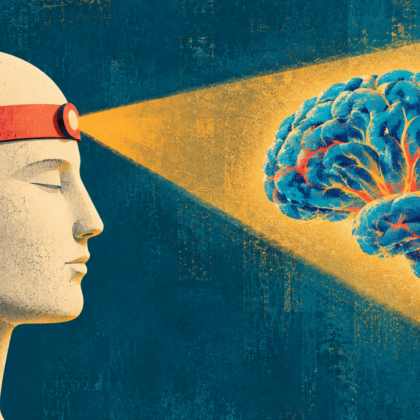
There is no “brain x-ray.” A USC neurosurgeon-engineer is helping build better ones
A USC neurosurgeon and engineer argues that the tools to monitor the brain cheaply and without surgery are within reach — and that getting there requires putting engineers where patients actually are. …

Four innovators gather at USC to explore the devices changing medicine
Clinical translation was the stated theme of the biomedical devices and imaging session at the Alfred E. Mann Department of Biomedical Engineering‘s 50th anniversary symposium Sept. 3. The department, jointly part of …

Think enamel erosion is irreversible? Think again.
After decades of research, Ostrow faculty member Janet Moradian-Oldak prepares to bring a short peptide that can generate a biomimetic version of tooth enamel to market. FOR DECADES, PROFESSOR JANET MORADIAN-OLDAK has …

A new way to help CAR-T cells fight solid tumors could change cancer treatment
USC researchers developed a technique that uses focused ultrasound to temporarily “light up” solid tumors, giving cancer-fighting immune cells a target they can finally recognize. For more than a decade, CAR-T cell …

Heart health enters the future with a $28.7 million gift from the Marcus Foundation
In a landmark moment for both the treatment of heart disease and philanthropic support, The Marcus Foundation has awarded the head of USC Stem Cell, Chuck Murry, MD, PhD, $28.7 million to …

Thymus-derived hormone may help suppress age-related inflammation
In animal models, researchers from the Keck School of Medicine of USC found that targeting the thymus can reduce age-related inflammation and improve cancer outcomes. Chronic, low-grade inflammation in the body—a phenomenon …

Finding a tumor’s soft spot to power-up immunotherapy
USC researchers have developed a new “black box” tool to measure the softness of tumor cells, an insight that could be crucial for more effective cancer treatment. Researchers at the USC Viterbi …

USC Stem Cell scientists engineer “synthetic organizer” cells to improve kidney organoids
Mapping the human kidney, researchers discovered an unrecognized developmental axis and engineered “synthetic organizer” cells to recreate key developmental signals, producing improved, reproducible lab-grown organoids for studying disease and therapies. In a …

USC startup receives up to $3.7 million from the Advanced Research Projects Agency for Health (ARPA-H) to develop an inner ear imaging device
AO Technologies, founded by USC researchers John Oghalai and Brian Applegate, has secured an ARPA-H small business award to develop a cochleoscope for clinical imaging of the inner ear. USC researchers John …

USC Stem Cell-led team creates a renewable cell source for cancer immunotherapy and beyond
Researchers develop a way to grow and genetically engineer the progenitor cells that give rise to macrophages, a type of first-responder immune cell that shows promise for developing immunotherapies for cancers and …
2026 Call for Applications: NIH T32 PhD Fellowships in Developmental Biology, Stem Cells, and Regeneration
All PhD students who are conducting research related to developmental biology, stem cell biology, and/or regenerative medicine are encouraged to apply for a training fellowship. We have two slots available for a …
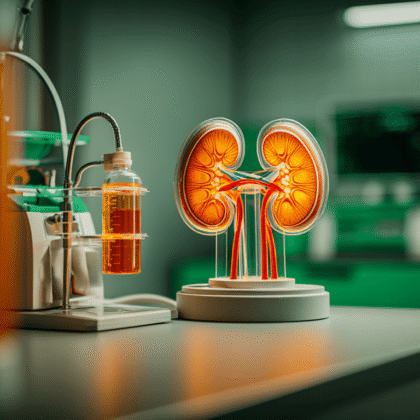
Tiny particles in urine could be the key to treating a deadly childhood kidney disease
USC Viterbi researchers have discovered that a naturally occurring nanoparticle found in urine shows early promise as a treatment, and potentially a prenatal intervention, for a rare disease that kills newborns and …

USC researchers study impacts of synovial lymphatic system on TMJ
A recent Nature Communications article sheds light on how fluid drainage systems may worsen jaw pain in the 5 to 8 percent of Americans affected by temporomandibular joint disorders. Problems with jaw …

2026 USC Stem Cell/SPARK at USC Innovation Catalyst Grant in Regenerative Medicine
About this call The USC Stem Cell/SPARK at USC grant is focused on the support of regenerative medicine innovation (therapeutics or diagnostics). Integration of AI technology is highly encouraged. The new SPARK …

Undergraduate stem cell research takes the spotlight at USC CIRM COMPASS symposium
USC Stem Cell prepares undergraduates to present research and become the regenerative medicine workforce of the future. Stem cell research took center stage at the year-end symposium for the USC CIRM COMPASS …

USC researchers launch study of the most complex lab-grown kidney structures
A $2.1 million grant from CIRM supports the new project designed to understand how mature lab-grown kidney structures, which combine the kidney’s filtering and urine-collecting components, can improve the study of disease …

Driven to impact
Powered by her Ostrow experience, Heliya Ziaei is well positioned to blend research and patient care as a clinician-scientist. Though Heliya Ziaei, PhD ’26, arrived at the Herman Ostrow School of Dentistry …