The leading cause of age-related blindness is macular degeneration (AMD), which gradually destroys central vision—leaving people unable to read, drive or live independently. To restore vision lost to the dry form of AMD, Mark Humayun is leading a collaborative team from USC, the University of California, Santa Barbara (UCSB), the City of Hope, Caltech and Regenerative Patch Technologies. Together, they are using stem cells to generate retina-supporting cells that grow on a membrane or “patch” surgically implanted in the eye. Some patients have already recovered partial vision after receiving the implants during clinical trials.
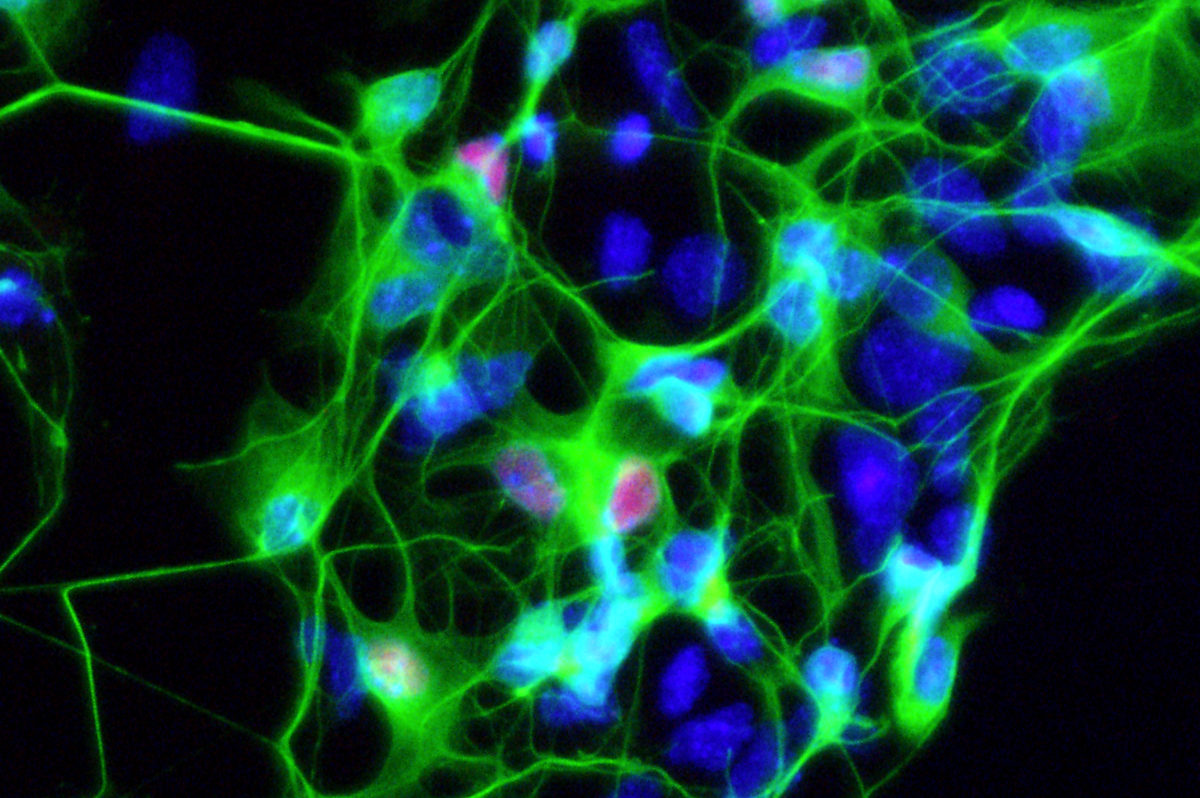
Amyotrophic lateral scleorosis (ALS), also known as Lou Gehrig’s disease, causes progressive paralysis and often results in respiratory failure within three to five years of diagnosis. Justin Ichida’s lab used patient-derived motor neurons to screen more than 2,000 FDA-approved drugs. The screen revealed that inhibiting a protein, called the PIKFYVE kinase, improved the survival of motor neurons from patients with ALS. Ichida co-founded a startup, AcuraStem, which developed a spinal injection therapy known as an antisense oligonucleotide (ASO) to suppress PIKFYVE. The pharmaceutical company Takeda has licensed this technology and is moving it into clinical trials.
Other USC Stem Cell scientists are exploring how the body develops, maintains and repairs the brain, nerves and senses. They are using stem cells to develop regenerative therapies for conditions including Alzheimer’s disease, neurodevelopmental disorders, brain tumors and hearing loss.